
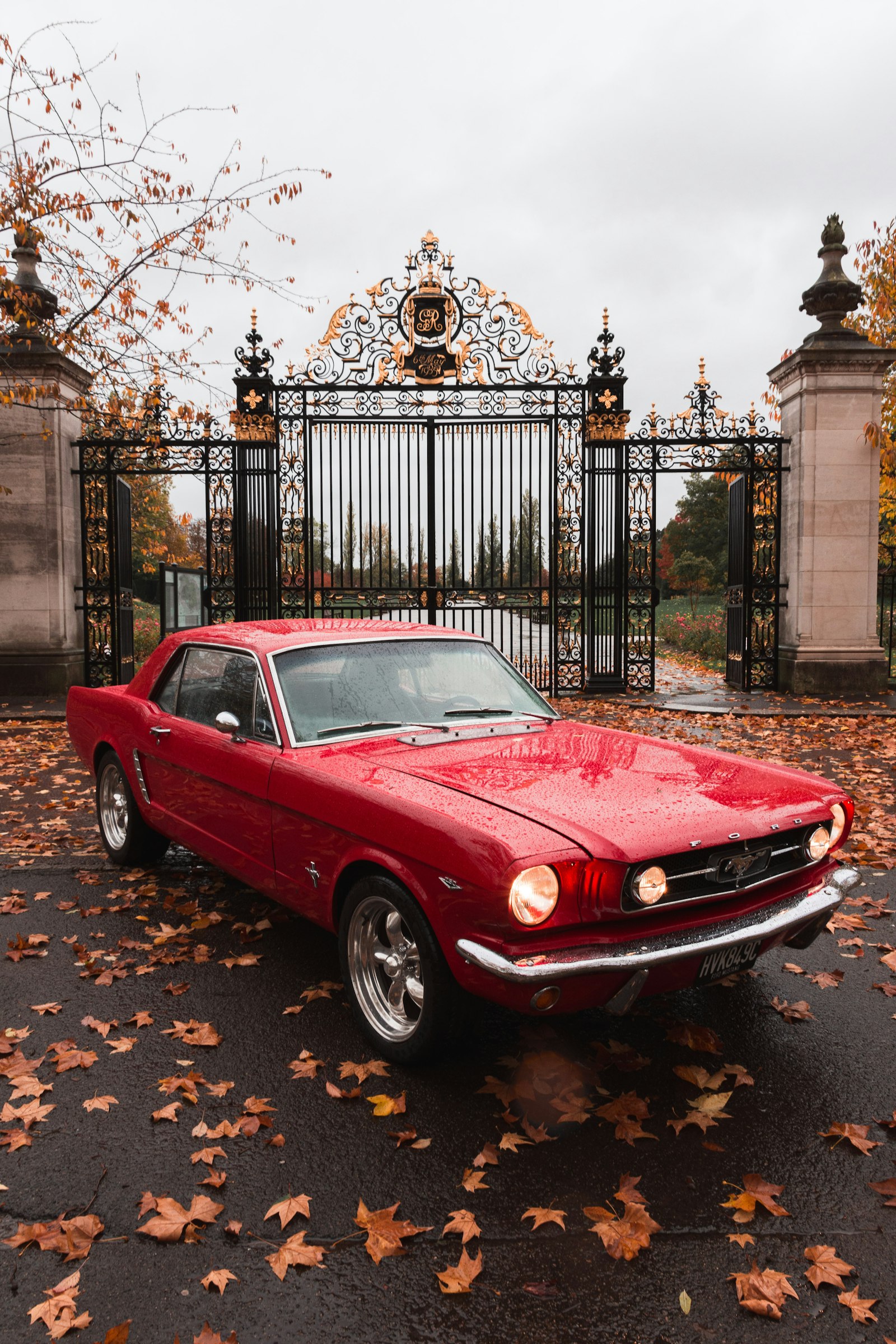
Two cars sit in front of you. Both are the same model, both gleam, both have a fresh coat of correct-colour paint that looks deep enough to swim in. One sold last month for thirty-five thousand. The other is being offered to you at eighty. The seller of the eighty-thousand car uses the word "restoration." The seller of the cheaper one used the word "respray." And the cruel joke of this trade is that to an untrained eye, in good light, the two cars can look exactly the same. The difference is not on the surface. It is everything the surface is sitting on.
I have spent the years since I sold my shop being the person collectors call to tell them which of those two cars they are actually buying. So let me draw the line clearly, because it is the most important line in the hobby, and the one most often blurred on purpose.
What the words actually mean
A respray is paint. At its most honest it means the car was stripped of its old colour, prepared, and refinished — a legitimate, skilled job that can cost eight to fifteen thousand dollars done well. At its least honest it means the old paint was scuffed, the trim was masked, and a new colour was blown over the top in a weekend. Either way, a respray addresses the appearance of the car and nothing underneath.
A restoration is the rebuilding of the car. The body comes apart. Doors, wings, bonnet, bootlid, glass, trim, often the whole shell goes to bare metal. Rust is cut out and replaced with steel. Panels are beaten straight or replaced and re-hung until the gaps flow. The mechanicals are rebuilt. Then, at the very end, after weeks or months of metalwork, the car is painted — and the paint is the easy part, the reward, the last ten percent. A genuine bare-metal restoration of a 105-series Alfa or a Lancia Coupé runs anywhere from sixty to a hundred and fifty thousand dollars and a year or more of work. The paint might be ten thousand of that. The other hundred-and-forty is everything you cannot see.
That is your forty-thousand-dollar gap, and often it is wider. A respray dresses up a car that still has every structural problem it had before. A restoration fixes the car. They produce the same shine and a completely different asset.
What a cosmetic respray hides
Paint is the most effective concealment in the world. A skim of filler and two coats of colour will hide rust scabs, beaten-but-not-straight panels, old crash damage, and the soft rotten metal in a sill that should have been replaced. The car looks magnificent for exactly as long as it takes for the rust underneath to push back through — which on a filler-over-rust job can be a single wet winter. I have seen cars come back bubbling within eight months of an eighteen-thousand-dollar "restoration" that was nothing but a respray over corrosion.
The deeper deception is that a respray often buries the evidence of the very problems you most need to know about. Crash repair done badly, a shell that is out of square, sills that are rotten inside — fresh paint smooths all of it into one seamless lie. The better the paint, the more I worry, because a beautiful finish can be paid for in a week, while honest structure takes months and shows its scars proudly on the inside of the panels.
Why "no expense spared" usually means the opposite
I have learned to brace myself when I hear "no expense spared." A real restorer does not talk that way. A real restorer hands you a stack of dated photographs of the shell on a rotisserie with the floors cut out, the new steel tacked in, the bare metal in primer, the panels in epoxy before colour. They talk about specific work — "we replaced both inner sills and the nearside A-post, here is the picture." The phrase "no expense spared" with no photographs of bare metal is, in my experience, a curtain drawn over the fact that the expense very much was spared, on everything except the final coat that you can see.
Here is the tell. Ask the seller: do you have photographs of the car in bare metal? A genuine restoration generates dozens, hundreds, of process photos, because the person doing it is proud and because they need them to remember how it all goes back together. A respray generates a "before" photo of a dusty car and an "after" photo of a shiny one, and nothing in between. The missing middle is the missing restoration.
The questions that expose a lipstick job
You do not need to be a panel beater to ask these. You only need to ask them and then watch the answers carefully.
- "Was it taken to bare metal, and can I see the photos of it stripped?" No photos of bare metal, no restoration. It is that simple.
- "Who did the metalwork, and is it the same person who did the paint?" A real restoration usually involves a fabricator and a painter and an itemised account of what each did. A vague "a mate of mine sprayed it" tells you the whole story was paint.
- "What rust was found, and what steel was replaced?" Every old car has rust. A seller who says "none, it was solid" about a fifty-year-old southern-European body is either lying or did not look. The honest answer is a list: "both sills, the spare wheel well, the bottoms of both doors."
- "Did the doors and panels come off?" If the doors never came off, the jambs were masked, and you will find overspray inside them — the dead giveaway of a blow-over.
- "How long ago was the work done, and has it been through a winter?" Fresh paint hides everything; paint that has survived two wet seasons without bubbling has earned a little trust.
Then verify with your own hands. I have written before about the paint thickness gauge — carry it. Readings climbing past a thousand microns mean filler, and filler in quantity means the metalwork that defines a restoration was skipped. Open every door and look for overspray on the hinges, seals and latches. Get underneath and be suspicious, not reassured, of a thick fresh coat of black underseal hiding the structure. Sight down the flanks for the wandering reflections that betray panels never properly hung.
The value gap is real, and it runs both ways
None of this is to say a respray is worthless. A clean, structurally sound car that simply needed paint, honestly described as a respray and priced as one, can be a perfectly good buy. The crime is not the respray. The crime is the respray sold as a restoration at a restoration price. That is where the forty thousand dollars evaporates — you pay restoration money for paint, and inherit every structural bill the previous owner avoided, plus the cost of stripping off the lovely new paint to get at the rot it was hiding.
And it runs the other way too. Some of the best buys I have ever found my clients were genuine, properly documented restorations being sold by people who simply did not market them well — a folder of bare-metal photos, honest receipts from a known fabricator, sills you can see were truly replaced — priced barely above a glorified respray because the seller could not tell the story. When you can read the difference yourself, you are not just protecting yourself from the lipstick jobs. You are equipped to recognise the real thing when it is undervalued in front of you.
So when you hear "fully restored, no expense spared," smile, and ask to see the car in bare metal. The answer to that one question is worth forty thousand dollars, and it costs you nothing but the nerve to ask it.